 January 6, 2026
 11 min read
The world of global trade depends on a massive volume of physical documentation. Among these, the most critical piece of paper is undoubtedly the Bill of Lading (BoL). This document serves as the heart of the global supply chain, acting simultaneously as a receipt for shipped goods, a document of title, and a binding contract for transport. In the modern era, using Bill of Lading OCR has become the primary method for companies to handle these papers with the speed and precision required by high-velocity trade. Without such automation, warehouses, ports, and administrative offices quickly become overwhelmed by paper-based bottlenecks.
For decades, logistics professionals were forced to type this critical data by hand. This reliance on manual labor led to a widespread crisis in manual data entry across the shipping industry. Human error is an inevitable consequence of auditor or clerk fatigue, especially when processing hundreds of complex forms daily. One small mistake in a container number or a port code can cause significant delays at the port, leading to storage fees and unhappy customers. This is precisely why shipping document processing is moving rapidly toward intelligent digital tools.
The Digital Transition in Global Shipping
The transition to digital trade is happening right now, reshaping how carriers, freight forwarders, and BCOs (Beneficial Cargo Owners) interact. Companies are moving away from reactive, old-fashioned workflows toward real-time, proactive systems. This digital change is led by Bill of Lading OCR technology, which turns physical paper or unsearchable PDFs into structured digital data that a computer can process instantly.
By implementing these automated systems, businesses can move away from the “black hole” of manual transcription. They can now see and analyze their shipping data as soon as a vessel leaves the port of loading. This guide will explore how modern teams use these tools to extract data from BL documents easily and efficiently. We will also discuss the benefits of turning your bill of lading to Excel files to alleviate the daily burden of logistics data entry.
Why Manual BoL Processing is a Risk to Your Bottom Line
In the ocean freight industry, accuracy is the difference between profit and loss. A single typo in a container number or a seal number can be a disaster, leading to heavy customs fines, lost cargo, and failed deliveries. Using Bill of Lading OCR significantly reduces the risk of these expensive human errors. It ensures that every alphanumeric string is captured correctly every single time. Manual work simply cannot match the consistent precision of an AI-powered machine.
Furthermore, time is a critical factor in logistics. Manual transcription slows down the entire financial cycle, affecting how fast you can invoice customers or process payments. Traditional logistics data entry by hand takes hours that modern supply chains do not have. With an automated system, this work happens in just a few seconds, keeping your cash flow steady and your customers satisfied with real-time updates.
Handling Multi-Carrier Layout Diversity
One of the biggest challenges in shipping is the lack of standardization. Every shipping line—from Maersk and MSC to COSCO and Hapag-Lloyd—uses its own unique document layout. This diversity makes manual shipping document processing confusing and slow for staff. However, advanced Bill of Lading OCR is smart enough to understand these different styles using template-free learning. It finds the critical data you need, such as the consignee or the port of discharge, no matter where it is hidden on the page.
Core Technology: How AI-Powered OCR Reads a BoL
Modern Bill of Lading OCR utilizes a sophisticated technology known as computer vision. This allows the software to “see” and interpret the page layout just like a human eye. It can distinguish between tables, signatures, stamps, and logos on a scanned file. This is the first step in high-quality document digitization.
From Zonal OCR to Machine Learning
Old-fashioned systems used “zonal OCR,” which required users to draw boxes around specific fields. If the layout shifted by even a few millimeters, the system would fail. New-generation Bill of Lading OCR is template-free and uses deep learning models. It understands the underlying logic of the document even if it has never seen that specific carrier’s layout before. This flexibility is what makes it a vital tool for global trade.
Additionally, Natural Language Processing (NLP) acts as the “brain” of the system. NLP allows the computer to understand the semantic meaning of words. For example, the AI knows that “Consignee,” “Receiver,” and “Ship to” often refer to the same entity. This intelligence helps the system extract data from BL files with much higher accuracy than basic text recognition.
Key Data Entities Extracted for Logistics Accuracy
When you deploy Bill of Lading OCR, you can pull a wide array of facts from the document to populate your internal systems.
-
Trade Parties: The system identifies the Shipper, the Consignee, and the Notify Party. Getting these names right is essential for customs clearance and legal title.
-
Logistics Milestones: It captures the Port of Loading (POL), Port of Discharge (POD), Vessel Name, and Voyage Number. This information is the foundation of shipment tracking.
-
Cargo & Weight: The AI reads the detailed description of goods, HS Codes, gross weight, and measurements in CBM. This data is critical for tax calculations and terminal handling.
-
Critical Identifiers: Most importantly, the system grabs the Bill of Lading Number, Container Numbers, and Seal Numbers—the “keys” that unlock the cargo at the destination.
The Step-by-Step Automated Workflow
Understanding the automated workflow is key to successful implementation. It generally follows a structured path:
-
Ingestion: Files are uploaded via email, API, or mobile scan. Modern Bill of Lading OCR platforms are flexible enough to start the process from a warehouse dock or a central office.
-
Classification: The AI automatically decides if the document is a BoL, a Packing List, or a Commercial Invoice. This ensures the correct extraction rules are applied.
-
Extraction & Mapping: This is the core phase where the AI converts visual text into structured data. This is how you effectively turn a bill of lading to Excel for your internal reporting.
-
Verification (Human-in-the-Loop): If the system encounters a messy or torn document, it flags the low-confidence fields for a human to review. This ensures 100% data integrity.
-
Integration: The clean data is pushed directly into your TMS (Transport Management System) or ERP, such as SAP or Oracle, eliminating the need for any further manual logistics data entry.
Strategic Benefits for Logistics Service Providers
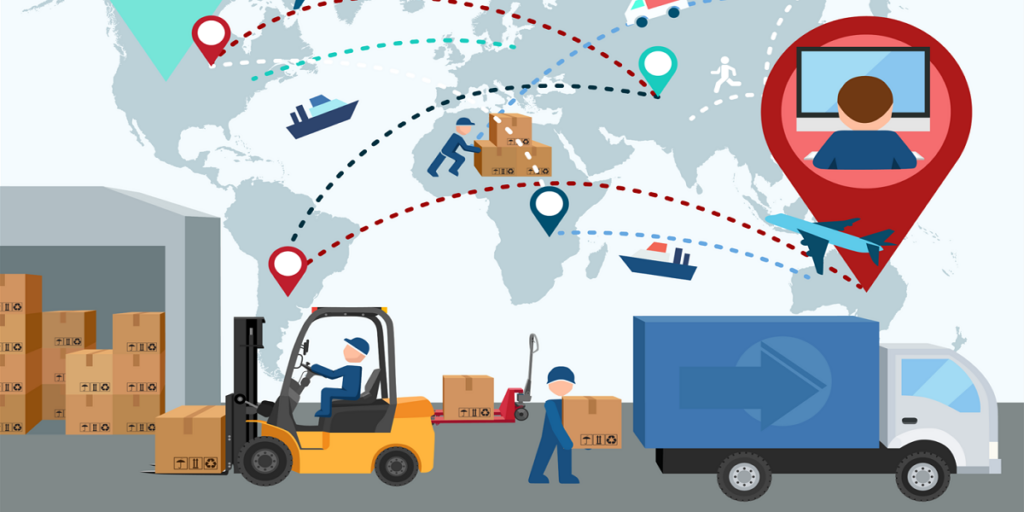
The primary win for any logistics firm is operational velocity. By reducing processing time from minutes to seconds, you can handle a significantly higher volume of shipments without increasing your headcount. Using Bill of Lading OCR gives you a massive speed advantage in a market where every hour counts.
Furthermore, the cost reduction is substantial. Automated systems can lower the cost of document processing by up to 80%. This capital can be reinvested into business growth or infrastructure. Beyond cost, compliance becomes much easier. The system provides a digital audit trail that helps you pass maritime and customs audits with ease.
Scalability and Future-Proofing
Scalability is what allows a business to survive peak shipping seasons. When cargo volumes spike, your Bill of Lading OCR system doesn’t get tired or overwhelmed. It works just as fast on ten thousand documents as it does on one. This allow your business to grow its revenue without a linear increase in administrative costs.
Why jpgtoexcelconverter.com is The Right Solution for You?
At jpgtoexcelconverter.com, we understand the unique pressures of the global logistics industry. Our platform is specifically engineered to handle the complexities of shipping documentation. We provide a leading Bill of Lading OCR solution that helps you extract data from BL documents with incredible speed and a 99% accuracy rate.
Our goal is to make your shipping document processing as simple and frictionless as possible. With our technology, you can effortlessly turn any bill of lading to Excel for your daily reporting and auditing needs. This effectively removes the burden of manual logistics data entry, allowing your team to focus on high-value tasks like customer service and route optimization.
Whether you are a small freight forwarder or a large global carrier, jpgtoexcelconverter.com offers the security, scalability, and ease of use you need to lead the digital revolution in trade. We protect your sensitive trade data with top-tier encryption while providing a simple interface that your staff can master in days.
Conclusion: The Future of Frictionless Global Trade
The era of manual chaos and paper-filled offices is coming to a close. Bill of Lading OCR is the key to a new way of working—one that is faster, cheaper, and far more accurate than anything that came before. By the year 2025, this technology will no longer be an option; it will be a competitive necessity for anyone operating in the global supply chain.
Audit your current documentation speed today. How much time and money are you losing to manual typing? Experience the power of AI digitization with jpgtoexcelconverter.com. The future of trade is digital, and we are here to help you take that first step toward a frictionless, automated, and more profitable future.