 January 2, 2026
 11 min read
The financial world is moving faster than ever before. As global markets expand and digital transactions multiply, traditional methods of manual oversight are no longer sufficient. Today, Audit Automation is the best way to keep up with these changes. It represents a fundamental shift in how financial data is verified, processed, and analyzed in the modern era.
Old methods are not enough to handle modern business data. In an age of “Big Data,” audit teams must use Audit Automation to stay accurate and efficient. The shift from manual work to digital workflows is happening right now, and most traditional auditing methods are becoming obsolete very quickly.
Companies produce a huge volume of financial data every day. This high volume makes it impossible for humans to check every record by hand. This digital transformation is much more than just basic computer software; it integrates artificial intelligence into the entire audit life cycle, allowing for a 100% check of transactions rather than just random sampling.
The Evolution of the Audit Lifecycle
Smart machines can now learn how to process complex financial tasks. This allows specialized software to handle the audit lifecycle from start to finish. The main problem with old ways of working is the high risk of human error. Even the most experienced auditors can get tired after many hours of looking at receipts and spreadsheets.
Auditor fatigue leads to mistakes that can be very costly for a firm’s reputation and its clients’ pockets. Audit Automation removes this risk by using precise computer logic and tireless algorithms. Traditional sampling is also a major limitation in the modern world. You cannot truly know the physical or digital health of a company by only looking at a few files.
To fix these issues, firms must use audit data analytics to see the whole picture. This technology allows us to look at 100% of the transactions, ensuring no fraud or error goes undetected. To achieve this, we must first digitize audit evidence to make it easy to search. Paper files are too slow and hard to organize in a big project. Transitioning to a digital system is the first step toward better quality.
Core Technologies: The Engine of Intelligent Auditing
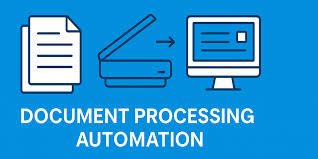
The engine behind this digital revolution is Financial Audit OCR technology. OCR stands for Optical Character Recognition, and it is the bridge between a physical receipt and a digital database.
1. Financial Audit OCR and Text Recognition
Financial Audit OCR converts physical receipts, bank statements, and invoices into digital data. It reads text just like a human eye does but with much higher speed. Once you digitize audit evidence, the computer can search for any word or figure instantly. Finding a specific bill from three years ago becomes a task of seconds rather than days.
2. Natural Language Processing (NLP)
Another key technology is Natural Language Processing (NLP). It helps the computer understand the context and meaning of legal words. AI can “read” legal clauses in long contracts without getting bored. This is a core part of any Audit Automation system today, allowing for the rapid review of leases, loans, and employment agreements.
3. Machine Learning and Pattern Recognition
Machine learning algorithms identify patterns in data that humans might never see. The software learns from historical audit adjustments over time. This helps it predict where future risks might be hiding. The system uses these predictions to guide the auditor, pointing the human expert toward the most important problems first.
Key Functional Areas of Automated Auditing Tools
Automated auditing tools can perform many different tasks in an office, freeing up staff for high-level strategy. One major task is automated vouching and tracing. This links source documents to the general ledger automatically. This advanced system does this without any manual typing from the staff, eliminating the risk of transposition errors.
Three-Way Matching and Fraud Prevention
Three-way matching is another area where this technology shines. It verifies Purchase Orders, Goods Received Notes, and Invoices. If these three elements do not match, the system sends an alert. Audit Data Analytics can track these matches across thousands of items simultaneously. This prevents fraud and keeps the company’s money safe, making sure that every dollar is accounted for correctly.
Bank Statement Reconciliation
Bank statement reconciliation is a common but tedious task. Automated auditing tools can match bank feeds with cash books instantly. This saves hours of manual work every single week and helps to digitize audit evidence for the cash cycle. Financial Audit OCR reads the paper bank statements and turns them into digital files that the computer can analyze with 99.9% precision.
The Automated Audit Workflow: Step-by-Step
Understanding the technology is only the first step. To implement Audit Automation effectively, one must understand the step-by-step digital workflow:
-
Data Ingestion: Securely uploading documents to a cloud portal. Clients can scan their files and upload them directly into the system.
-
Intelligent Extraction: This is where Financial Audit OCR performs the heavy lifting. It pulls numbers, dates, and names off the page and puts them into a structured table.
-
Anomaly Detection: The system uses audit data analytics to look for “Red Flags” or strange transactions. This real-time flagging is much better than finding errors months later during a year-end review.
-
Audit Documentation: The software automatically generates digital workpapers that comply with international standards like ISA. These tools ensure the work is always high quality and ready for peer review.
-
Permanent Archiving: All proof is stored in a safe, encrypted digital archive for many years.
Strategic Benefits for Auditors and Firms
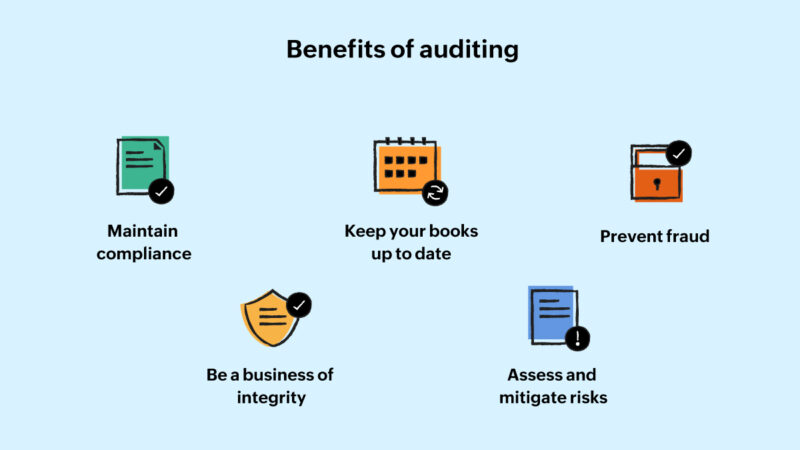
The move from sampling to 100% testing is a major benefit. Audit Automation allows firms to provide much more comfort to their clients and regulators. Using the right data analytics makes this massive task simple. Furthermore, enhanced accuracy reduces the “expectation gap” by stopping manual errors.
Auditors can finally focus on high-value advisory work instead of “grunt work.” Automated auditing tools free up their minds for deep thinking, allowing them to use their professional skepticism more effectively. The client experience is also much better; when you digitize audit evidence, the file is always there when you need it, and you never have to ask a client for the same document twice.
Integration, Security, and Compliance
The digital auditing process must work with the systems you already use, such as SAP or Microsoft Dynamics. This allows data to flow directly into the analytics engine. Maintaining a digital audit trail is vital for trust; when you digitize audit evidence, the trail is built automatically by the platform.
Data security is the most important part of the setup. These systems must follow rules like GDPR and SOC2. Financial Audit OCR processes sensitive info, so it must be secure. Only people with permission should ever see the digital files. Using modern software makes it easy to prove your work to a regulator, showing exactly how the machine read each bill.
Selecting and Implementing the Right Tools
Selecting the right software is a critical decision for any firm. You should check the accuracy rates of the Financial Audit OCR first. The tool must be able to read many different types of documents and be scalable as your firm grows.
Change management is often the hardest part of implementation. You must train the “Auditor of the Future” to work with AI. Show them how automated auditing tools will help them go home on time. Although Audit Automation might seem expensive initially, it saves a huge amount of money in billable hours and prevents expensive mistakes in the long run.
Why jpgtoexcelconverter.com is The Right Solution for You?
jpgtoexcelconverter.com is the perfect partner for your journey into Audit Automation. Our platform uses the latest Financial Audit OCR to make manual data entry a thing of the past. We help your firm digitize audit evidence quickly and safely in the cloud. Our tools are built by experts who understand the challenges of modern accounting and document processing.
With jpgtoexcelconverter.com, you can unlock the full power of data analytics for every client. We make it easy to test 100% of transactions and find risks that others miss. Our software is very easy to use and fits perfectly into your current workflow. We also provide the highest level of security to protect your sensitive financial data.
Choosing jpgtoexcelconverter.com means choosing a more efficient and profitable future for your firm. We reduce the stress of audit season and help your staff focus on high-value work. Our goal is to make your process completely frictionless and highly accurate. Join the many firms already using our technology to lead the digital revolution in auditing.
Conclusion: The Future of Frictionless Auditing
The transition to a digital environment is no longer a luxury; it is a prerequisite for quality. This technology bridges the gap between raw data and audit opinions, making the entire process faster and more reliable. By using Financial Audit OCR, firms can process data in seconds.
The future of auditing is frictionless and fully digital. Audit Automation will allow for continuous monitoring, meaning errors will be found and fixed almost instantly. The journey toward digital maturity begins with a single step. Start using data analytics to improve your reporting and Financial Audit OCR to clear out your old filing cabinets. The time to change is now because the world is not waiting. Take the lead and start your digital transformation today with jpgtoexcelconverter.com.